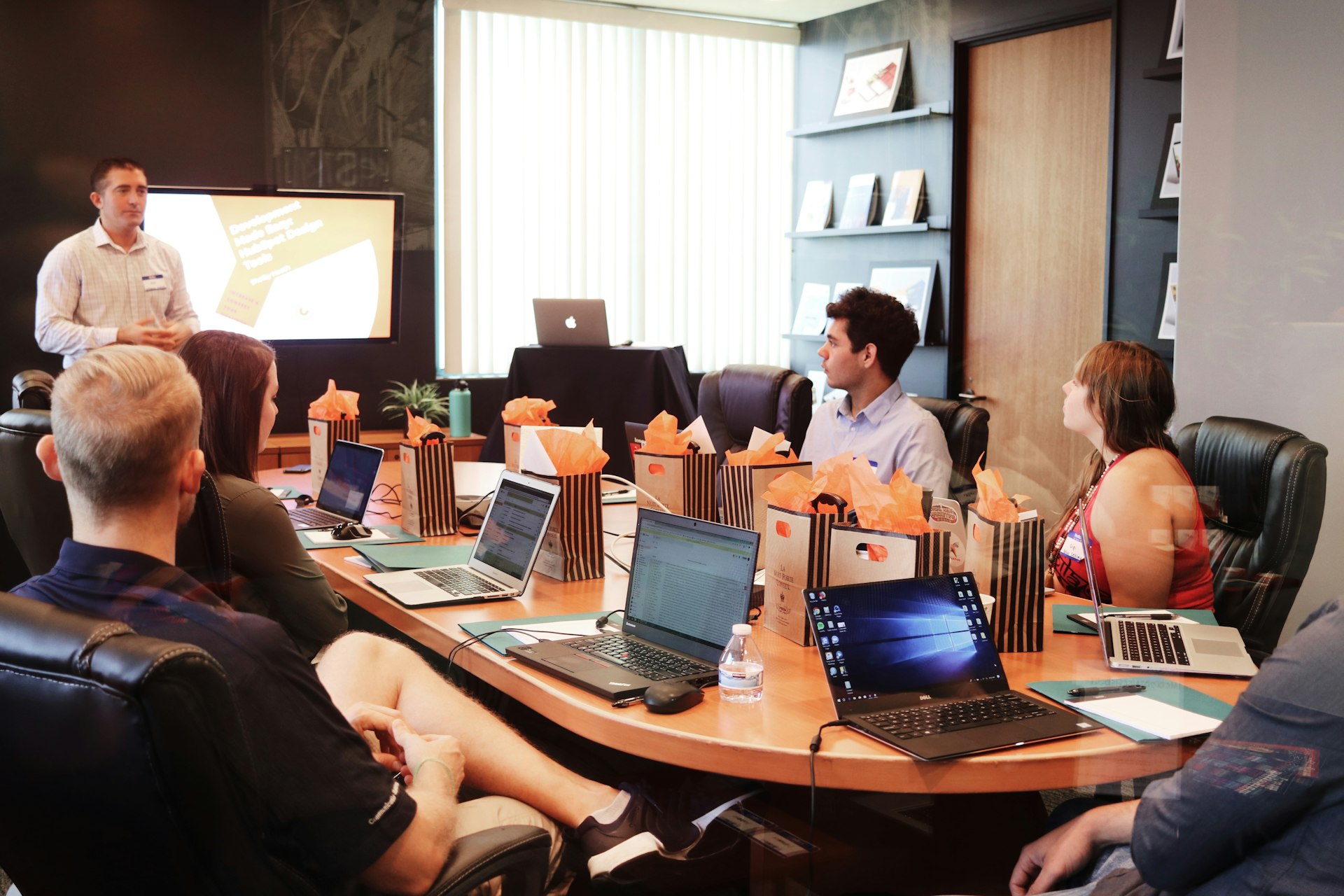
Phase 1: Visioning & Feasibility
Objective:
To lay the strategic and contextual foundation for the project by understanding community needs, evaluating market potential, selecting the right location, and establishing overall feasibility.
Key Activities:
- Stakeholder consultations with seniors, caregivers, investors, local governments, and NGOs
- Market demand-supply gap analysis and demographic forecasting
- Site identification, land use assessment, and acquisition strategy
- Preliminary financial modelling and return on investment analysis
- Risk and compliance review based on local and national regulations
Deliverables:
✅ Vision Document | ✅ Feasibility Report | ✅ Land & Legal Assessment | ✅ Initial Financial Plan your content.
Phase 2: Concept Design & Master Planning
Objective:
To conceptualize and design a sustainable, age-inclusive, smart living environment that integrates residential, healthcare, wellness, mobility, community, and green infrastructure.
Key Activities:
- Site zoning and land utilization planning
- Community layout with clustering for Co-Housing, Assisted Living, and Memory Care
- Inclusion of wellness centres, nature zones, recreation areas, organic farming zones
- Smart home integration, health tech systems, and safety-first design
- Landscape architecture and sustainability planning (energy, water, waste)
Deliverables:
✅ Master Plan & 3D Visuals | ✅ Functional Space Designs | ✅ Infrastructure Design Blueprints | ✅ Cost Estimates
Phase 3: Investment Structuring & Approvals
Objective:
To mobilize the financial resources and secure legal and regulatory clearances needed to initiate development with confidence and transparency.
Key Activities:
- Development of investment proposals, capital stack strategy (equity, debt, grants)
- Pitching to angel investors, VCs, CSR arms, family offices, and development agencies
- Financial due diligence, legal structuring, and partnership agreements
- Submission of statutory applications for project clearance (environmental, land use, healthcare, etc.)
Deliverables:
✅ Investor Decks | ✅ Financial Model & ROI Structure | ✅ Government Approvals Tracker | ✅ Fundraising Roadmap
Phase 4: Development & Construction
Objective:
To bring the vision to reality through ethical, efficient, and environmentally responsible construction practices while maintaining cost and timeline discipline.
Key Activities:
- Tendering and contracting (EPC, infrastructure, vendors)
- Site preparation, utilities layout, road and building infrastructure construction
- Green building implementation (solar, rainwater harvesting, sewage treatment)
- Real-time progress tracking through digital dashboards
- Periodic audits for quality, safety, and adherence to design
Deliverables:
✅ Construction Milestone Tracker | ✅ Site Progress Reports | ✅ Vendor Management Records | ✅ Completion Certificate Plans
Phase 5: Operations Planning & Team Readiness
Objective:
To ensure that the community is operationally sound and fully equipped with trained staff, digital infrastructure, and a systems framework before welcoming residents.
Key Activities:
- Recruitment of operations teams (facility, care, security, housekeeping, admin)
- Training and certification of geriatric caregivers and healthcare staff
- Implementation of SOPs, protocols, and emergency response plans
- IT systems deployment (access control, health alerts, resident dashboards)
- Vendor onboarding for services (pharmacy, diagnostics, food, wellness)
Deliverables:
✅ Operations Manual | ✅ Trained Staff Database | ✅ Licensing & Vendor Agreements | ✅ Facility Test Runs
Phase 6: Community Activation & Handover
Objective:
To successfully launch the community, ensure seamless resident onboarding, and establish strong social and governance structures to support long-term engagement.
Key Activities:
- Pre-handover inspections and final walkthroughs
- Resident move-in assistance and welcome programs
- Orientation for families and primary caregivers
- Establishment of resident associations and care committees
- Community events, wellness workshops, and emotional adaptation support
Deliverables:
✅ Resident Onboarding Kits | ✅ Community Governance Charter | ✅ Inaugural Event Plan | ✅ Feedback Mechanism Setup
Phase 7: Continuous Monitoring & Scale-Up
Objective:
To evaluate community performance, ensure service excellence, gather impact data, and replicate learnings to expand the Aegis Novus model across regions.
Key Activities:
- Ongoing resident satisfaction surveys and well-being tracking
- Financial audits and operational efficiency assessments
- R&D pilots (smart tech, nutrition, preventive healthcare) in live environments
- Policy advocacy and knowledge sharing with national bodies
- Planning for Phase-II or new community locations
Deliverables:
✅ Annual Impact Report | ✅ Resident Feedback Reports | ✅ Innovation Pilot Results | ✅ Replication Playbook